
Contents
- 🎵 Origins & History
- ⚙️ How It Works
- 📊 Key Facts & Numbers
- 👥 Key People & Organizations
- 🌍 Cultural Impact & Influence
- ⚡ Current State & Latest Developments
- 🤔 Controversies & Debates
- 🔮 Future Outlook & Predictions
- 💡 Practical Applications
- 📚 Related Topics & Deeper Reading
- Frequently Asked Questions
- References
- Related Topics
Overview
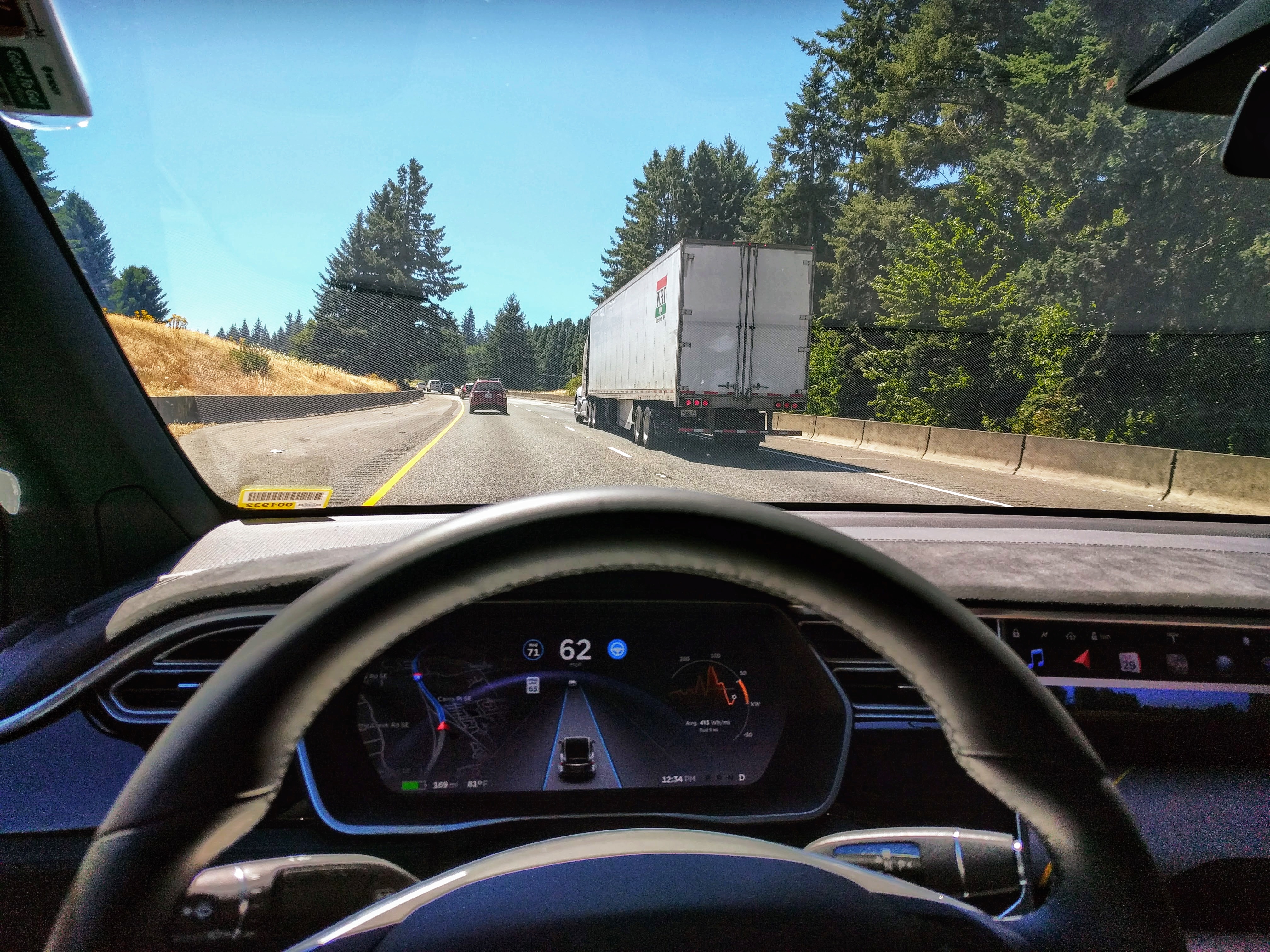
Advanced Driver Assistance Systems (ADAS) are a suite of technologies designed to assist drivers in safely operating vehicles. These systems utilize sensors, cameras, and automated technology to detect obstacles and driver errors, significantly reducing the likelihood of accidents caused by human error. With features such as adaptive cruise control, lane departure warnings, and collision avoidance systems, ADAS enhances road safety and supports the transition towards autonomous driving. The integration of these technologies has been shown to decrease road fatalities, making them a crucial component of modern automotive design and a key focus for manufacturers like Tesla and Volvo. As the automotive industry evolves, the role of ADAS will continue to expand, shaping the future of driving.
🎵 Origins & History
The establishment of standards and testing protocols by organizations such as the National Highway Traffic Safety Administration (NHTSA) has accelerated the adoption of ADAS in the automotive market.
⚙️ How It Works
ADAS operates through a combination of sensors, cameras, and algorithms that process data in real-time to assist the driver. For instance, systems like lane departure warning utilize cameras to monitor lane markings and alert the driver if they drift out of their lane. Similarly, adaptive cruise control uses radar and cameras to maintain a safe distance from the vehicle ahead. These systems can also intervene by applying brakes or steering to prevent collisions. The integration of machine learning algorithms allows ADAS to improve over time, adapting to different driving conditions and enhancing overall vehicle safety. This technology is a stepping stone towards fully autonomous vehicles, which rely on similar principles but operate without human intervention.
📊 Key Facts & Numbers
Key players in the ADAS market include automotive giants like Tesla, known for its Autopilot feature, and Volvo, which has made safety a cornerstone of its brand. Other significant contributors include technology companies such as Mobileye, which specializes in vision-based advanced driver assistance systems, and Bosch, a leading supplier of automotive components. These organizations are continuously innovating, pushing the boundaries of what ADAS can achieve and influencing industry standards. The collaboration between automakers and tech firms is crucial for the advancement of these systems, as they work together to enhance vehicle safety and performance.
👥 Key People & Organizations
The cultural impact of ADAS is profound, as it reshapes societal perceptions of driving and safety. With increasing awareness of road safety, consumers are more inclined to choose vehicles equipped with advanced safety features. Films and media often portray autonomous driving technology as the future of transportation, influencing public opinion and acceptance. Additionally, the rise of ride-sharing services like Uber and Lyft has accelerated the demand for safer vehicles, as these platforms prioritize passenger safety.
🌍 Cultural Impact & Influence
Companies like Waymo and Cruise are testing fully autonomous vehicles in urban environments, showcasing the potential future applications of ADAS. Regulatory bodies are also adapting to these advancements, with new guidelines being established to ensure the safe deployment of autonomous technologies. The focus on sustainability and electric vehicles is further driving innovation in ADAS, as manufacturers seek to integrate these systems into eco-friendly designs.
⚡ Current State & Latest Developments
Controversies surrounding ADAS often center on the balance between safety and driver reliance on technology. Critics argue that over-reliance on these systems may lead to complacency among drivers, potentially increasing the risk of accidents when systems fail or are misused. Additionally, ethical concerns arise regarding the decision-making algorithms in autonomous vehicles, particularly in emergency situations. Advocates for ADAS emphasize the technology's potential to save lives and reduce human error, arguing that proper education and regulation can mitigate these risks. The debate continues as the technology advances and becomes more integrated into everyday driving.
🤔 Controversies & Debates
Looking ahead, innovations such as vehicle-to-everything (V2X) communication are expected to enhance the capabilities of ADAS, allowing vehicles to communicate with each other and infrastructure for improved safety and efficiency. Furthermore, advancements in artificial intelligence and machine learning will enable these systems to learn from real-world driving scenarios, continuously improving their performance. As the automotive industry embraces electrification and automation, ADAS will play a crucial role in shaping the future of transportation.
🔮 Future Outlook & Predictions
ADAS has practical applications across various sectors, including personal vehicles, commercial fleets, and public transportation. For instance, delivery companies are increasingly adopting vehicles equipped with collision avoidance systems to enhance safety during operations. In urban environments, public transport systems are integrating ADAS to improve passenger safety and reduce accidents. Additionally, insurance companies are beginning to offer discounts for vehicles equipped with advanced safety features, incentivizing consumers to prioritize ADAS when purchasing new cars. The widespread implementation of these technologies not only enhances individual safety but also contributes to the overall efficiency of transportation systems.
💡 Practical Applications
Related topics include electric-vehicles, which often incorporate advanced driver assistance features, and car-safety-features, which encompass a broader range of technologies aimed at enhancing vehicle safety. Other relevant areas include automotive-technology, which explores the innovations driving the automotive industry forward, and car-buying-guide, where consumers can learn about the importance of ADAS when selecting a vehicle. Understanding these connections can provide deeper insights into the evolving landscape of automotive safety and technology.
Key Facts
- Year
- 2023
- Origin
- Global
- Category
- industry-trends
- Type
- technology
Frequently Asked Questions
What are the main features of advanced driver assistance systems?
Advanced Driver Assistance Systems (ADAS) include features such as adaptive cruise control, lane departure warning, automatic emergency braking, and parking assistance. These technologies utilize sensors and cameras to monitor the vehicle's surroundings and assist the driver in making safer decisions. For example, adaptive cruise control maintains a safe distance from the vehicle ahead, while lane departure warning alerts the driver if they unintentionally drift out of their lane. The integration of these features significantly enhances road safety and reduces the risk of accidents.
How do ADAS technologies improve road safety?
ADAS technologies improve road safety by providing real-time assistance to drivers, helping to prevent accidents and enhance overall vehicle safety.